BIOGRAPHY
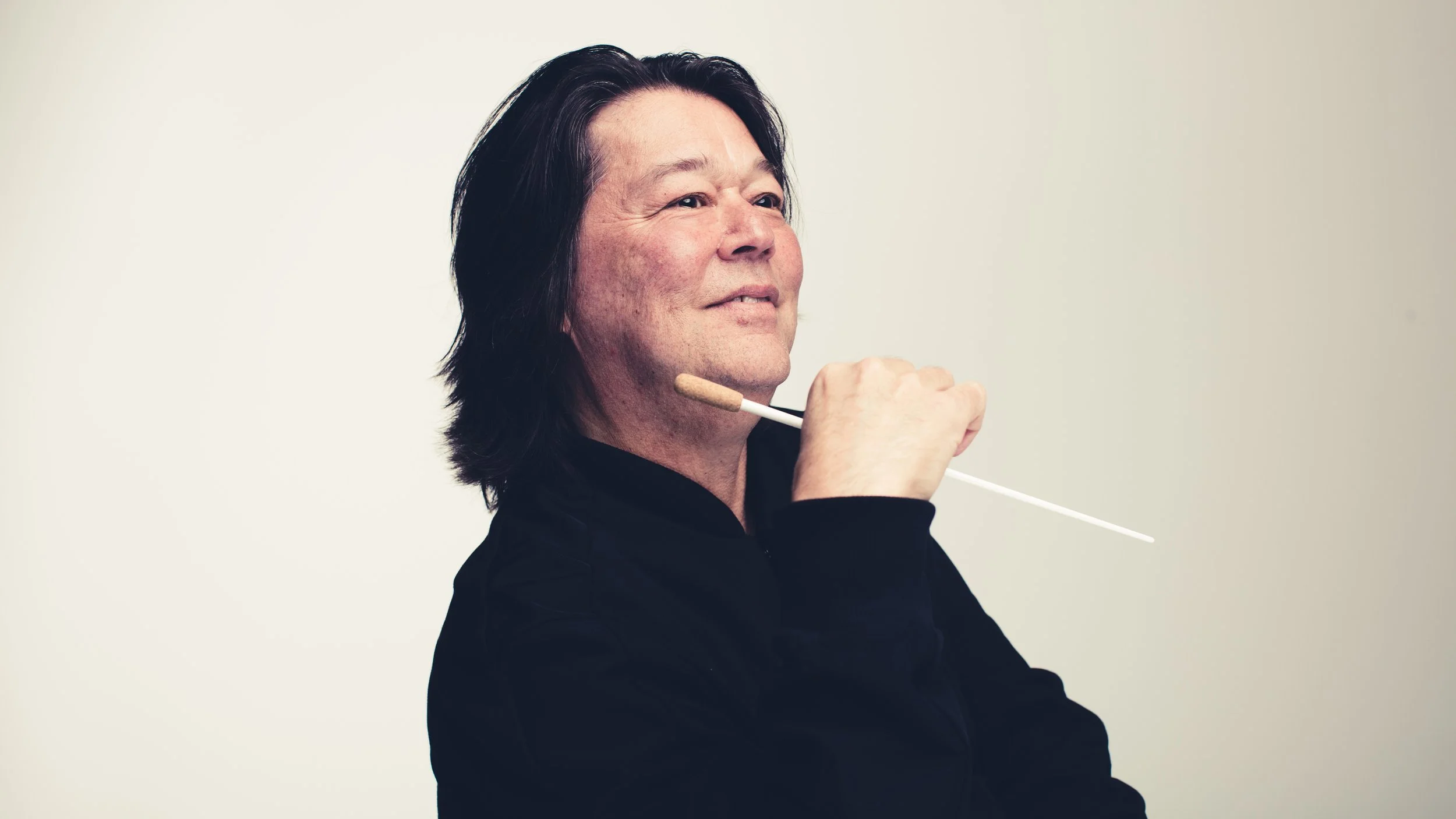
Music Director, Orchestre National Bordeaux Aquitaine
Principal Guest Conductor, NFM Leopoldinum Orchestra
Conductor Emeritus, Scottish Chamber Orchestra
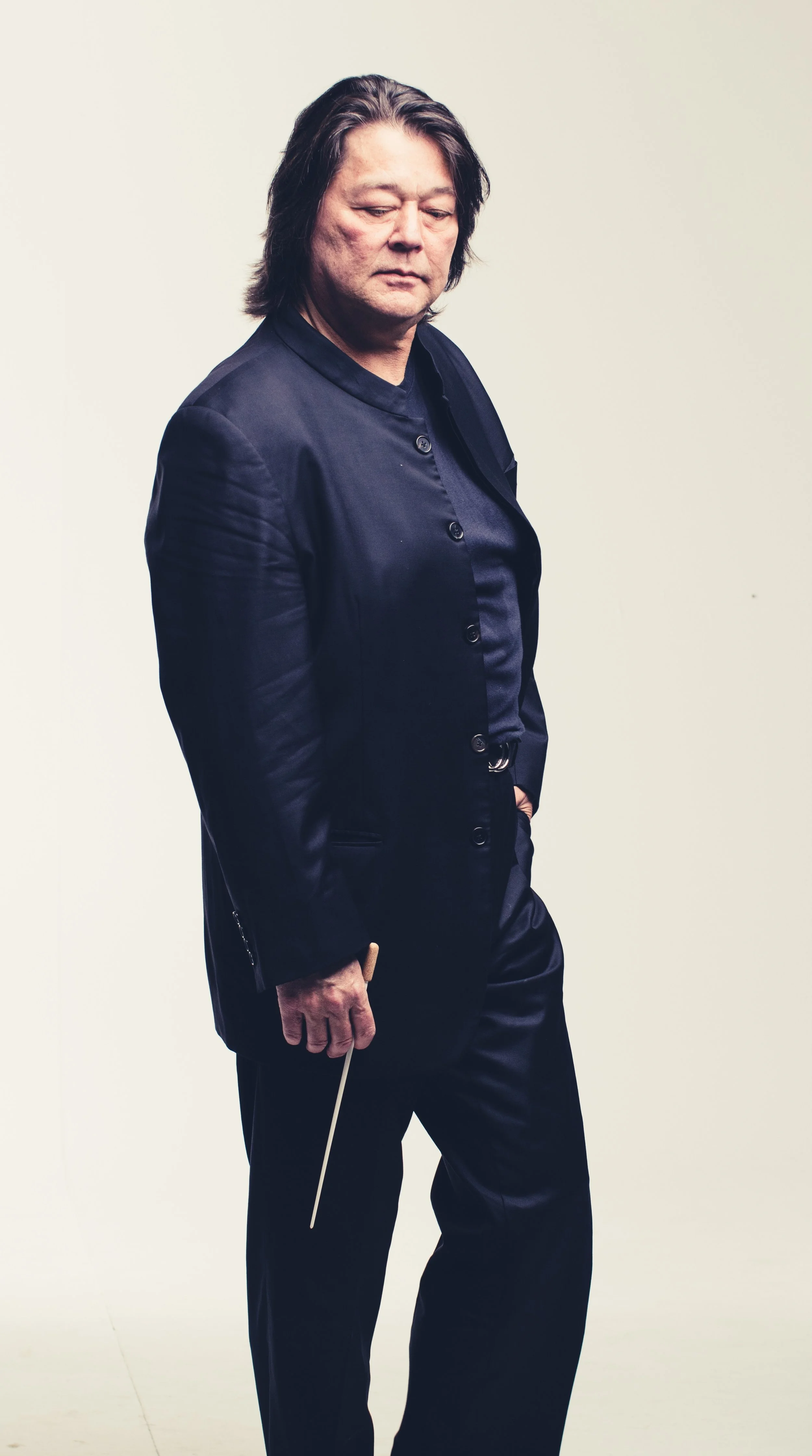
The Conductor/Composer, Joseph Swensen, has been the Music Director of the Orchestre National Bordeaux Aquitaine since 2024. His transformative influence upon the Bordeaux Orchestra and the cultural life of France has been widely recognized as the orchestra’s glowing reputation grows exponentially with every performance and new CD release.
Praised by critics in particular for his interpretations of the great Romantic repertoire, such as Mahler, Bruckner and Sibelius, Dr. Swensen is also a musical explorer whose programmes regularly include works by contemporary composers alongside works from the classical period. In the year 2000, he was awarded an honorary Doctorate by the illustrious University of St Andrews in Scotland.
Joseph Swensen is widely regarded as one of the most fascinating and complete musicians of his generation. A native New Yorker, he was born into a musical family in 1960, where his parents taught him nearly all the instruments of the orchestra before he was nine years old. From age seven until 22, he studied nearly all facets of music at The Juilliard School, focusing on piano, violin, composition and conducting. His earliest composition was written at the age of seven, and he has composed music throughout his life.
From the age of seventeen, he enjoyed a long and successful career as a violin soloist, appearing with many of the world’s most reputable orchestras and conductors, and was an exclusive RCA/BMG Classics recording artist. However, having decided at the age of nine to one day become a conductor, Joseph Swensen gave up his solo violin career in 1990 to devote himself entirely to conducting and composing.
Since then, he has guest conducted numerous orchestras and opera companies, including the London Symphony Orchestra, Los Angeles Philharmonic, Orchestre National du Capitole de Toulouse, Royal Danish Opera and English National Opera. He has held long-term posts with the Scottish Chamber Orchestra (Principal Conductor, 1996–2005), Malmö Opera (Music Director, 2005–2011), BBC National Orchestra of Wales (Principal Guest Conductor, 2000–2003), Orchestre de Chambre de Paris (Artistic Advisor/Principal Guest Conductor, 2009–2012), Scottish Chamber Orchestra (Conductor Emeritus since 2005), and NFM Leopoldinum Orchestra (Wrocław, Poland; Artistic Director, 2017–2023).
But it is in his passionate devotion to his current relationship with the Orchestre National Bordeaux Aquitaine where he has found his true inspiration and most prolific creative energy, both as a conductor and a composer. His “Live CD” recordings with ONBA have been greeted with tremendous enthusiasm. Most remarkably, Wagner/Swensen’s Ring Odyssey, Mussorgsky/Ravel’s Pictures at an Exhibition and Beethoven’s Symphony No. 9 (on Alpha Classics), and his monumental SAGA TRILOGY, a dramatic Wagnerian epic of three interrelated solo “concertos”: for amplified double bass, cello and clarinet respectively (on B Records).
The spring of 2027 will welcome the widely anticipated release and World Premiere Recording of his newest work, a gigantic Romantic Symphony: Hafiz (inspired by the great 13th-century Sufi mystic poet). Following the first performance, Classykeo called it:
“A luminous work, a world of profound emotional contrast, a genuine poetic jewel”
and Diapason described it as:
“A love letter by a conductor to his orchestra.”
It will be paired with his performance of Rimsky-Korsakov’s Shéhérazade, both recorded live with the Orchestre National Bordeaux Aquitaine and released on B Records.
Joseph Swensen is one of the few composers on Earth who has never used computer technology to facilitate his composing. He firmly believes that the influence of computers on the creative minds of artists is immensely dangerous, in ways we can only begin to imagine, and likens it to genetic modification in our food supply.
“A leader is best when people barely know he exists, when his work is done, his aim fulfilled, they will say: we did it ourselves.” Lao Tzu